
Resources
Here is a curated list of resources to learn more about quantum computing. Each entry includes a link, description, and tags to help you explore the material most relevant to your needs. Use the filter buttons to focus on frameworks, education, research, or practical tools.
qubit-lab.ch Position Paper: Quantum Computing for Financial Services, why and why now
Why quantum finance methods are a different method, not a faster computer; why the two clocks, regulators and physics demonstrations, make 2026 the year to measure; what is measured so far (parity at certifiable sizes); whose benchmark counts; what a first engagement produces. 10 pages, November 2026, may be circulated within your institution.
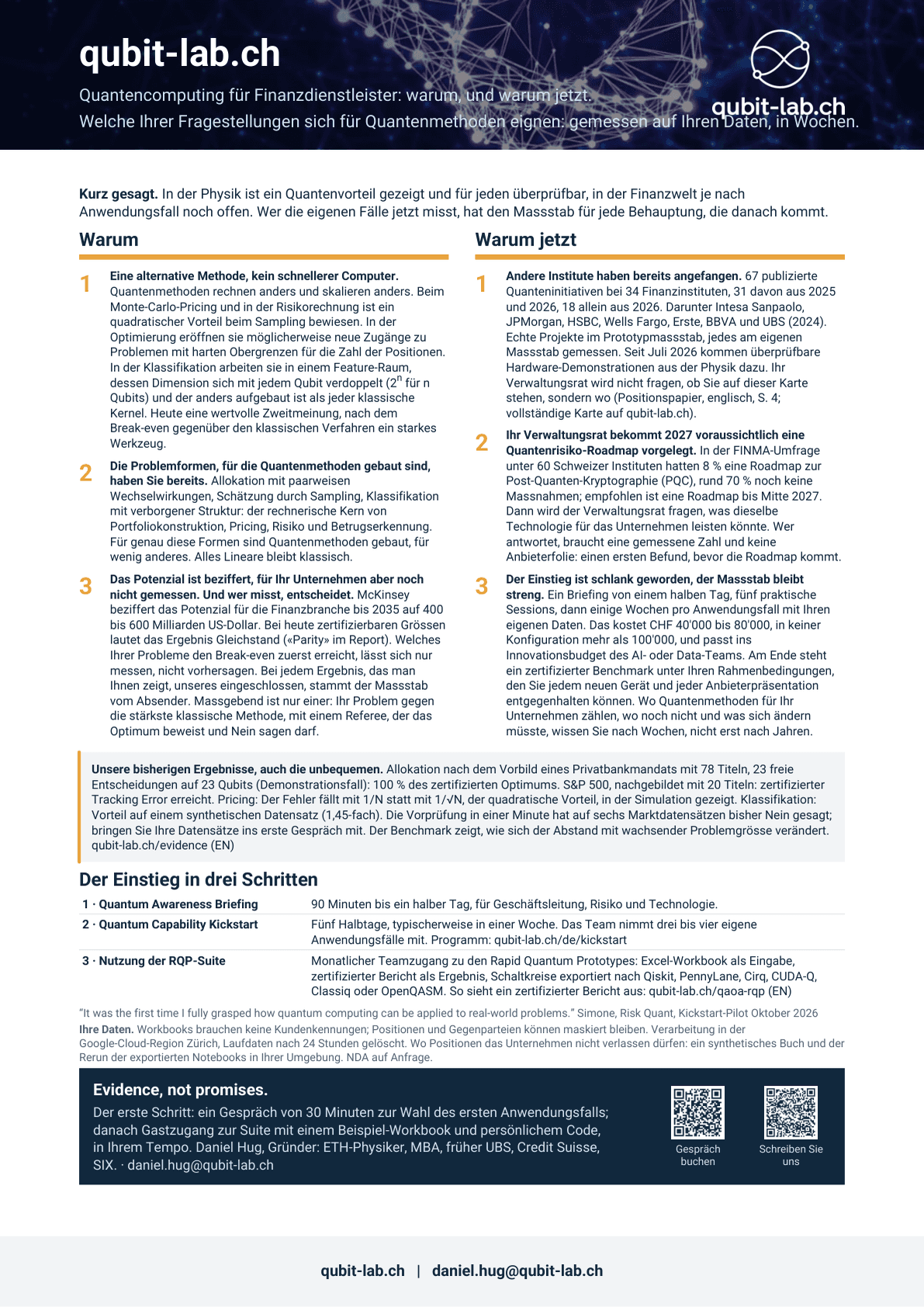
qubit-lab.ch Kurzfassung (Deutsch): Warum, und warum jetzt, auf zwei Seiten
Die deutsche Kurzfassung: je drei Thesen zu Warum und Warum jetzt, dazu die vier Fragen aus fast jedem ersten Gespräch (zu früh? Hardware kaufen? Anbieterbindung? Physiker?). Begleitdokument zum englischen Positionspapier, November 2026.
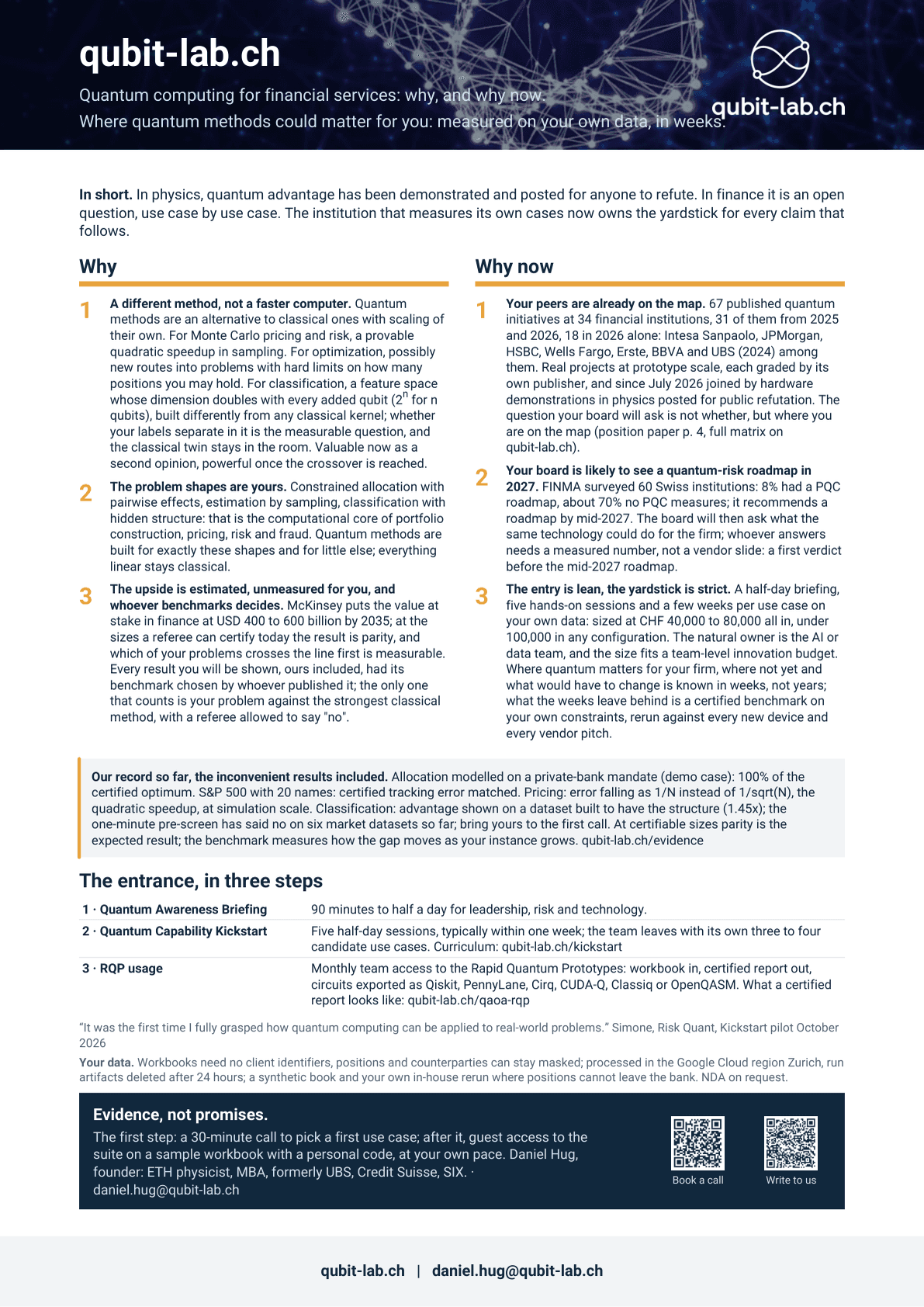
qubit-lab.ch Brief: Why, and why now, in two pages
The argument on one page, three theses each for why and why now, plus the four questions every first conversation raises: too early? buy hardware? vendor lock-in? external physicists? Companion to the position paper, November 2026.

qubit-lab.ch Quantum Update — the monthly letter
One short letter a month on quantum computing for financial services: measured results from the Rapid Quantum Prototypes, published studies, wins and losses alike. All issues with topic overviews on one page — latest: October 2026, the Zurich cohort and what a quantum speed-up costs. Subscribing takes a one-line email.
qubit-lab.ch Study: The Sensitivity Map of Quantum Classifiers 2026
Which settings move the score of a quantum classifier on real credit data, and which do not: one dial decides, and the model can learn it. Eight settings, 360 trainings on two public credit datasets, an internal dataset and a control, every one a run of the QML RQP Pro. No advantage is claimed on real data; four of six registered hypotheses were not supported and are printed.
qubit-lab.ch Study: Configuration Atlas of Variational Classifiers 2026
Which settings of the trainable quantum model can be trained: most of them, if you measure locally — and a one-minute screen tells you which. 7,488 pre-training screens, 80 refereed trainings, design tagged before the first run; the screen and four guardrails shipped in the product.
qubit-lab.ch Study: Configuration Atlas of Quantum Kernels 2026
Which quantum-kernel settings can be measured at all — a predictable corner at every size, and a diagnostic that now points to it. 7,200 concentration measurements across every QSVM configuration, 150 refereed, design deposited before the first run; four product guardrails shipped from the findings.
qubit-lab.ch Study: QML VQC Island 2026
The trainable quantum model, mapped — whose territory, at which size, and what a fair attempt costs. 65 fair-recipe trainings against the ten-variant referee and the kernel method head-to-head; design publicly tagged before the first run.
qubit-lab.ch Study: QML Advantage Island 2026
Where quantum kernels can win at all — a measured map between the classical wall and the concentration wall. 996 referee arms, 4–16 qubits, exact / 4,096 / 512 shots; full run record on the evidence page.
qubit-lab.ch Study: Noise Ladder to Hardware 2026
Noise erases depth on today's hardware — and a calibrated simulation predicts the device only as an optimistic ceiling (×3). Five trained circuits through three noise levels, calibrated twins, and an ibm_kingston hardware rung.
qubit-lab.ch Study: QAOA Concentration 2026
Which quantum method? It depends on what you know going in. 12,397 certified runs over 24 instances compare QAOA variants under one exact classical referee — a decision tree for choosing the method before you spend hardware budget.
McKinsey Quantum Technology Monitor 2026
McKinsey’s 2026 Quantum Monitor (“A commercial tipping point”) updates investment, adoption, and value-at-stake figures — including USD 400–600 billion at stake in financial services by 2035.

QED-C State of the Global Quantum Industry 2026
QED-C’s data-driven 2026 industry report on measured market size, investment, workforce, and IP — quantum computing crossed USD 1 billion in revenue in 2025, projected to reach USD 3 billion by 2028.
WEF: Quantum Technologies for Financial Services
World Economic Forum and Accenture assess quantum applications in financial services — risk modelling, fraud detection, and portfolio optimization — with real-world case studies.
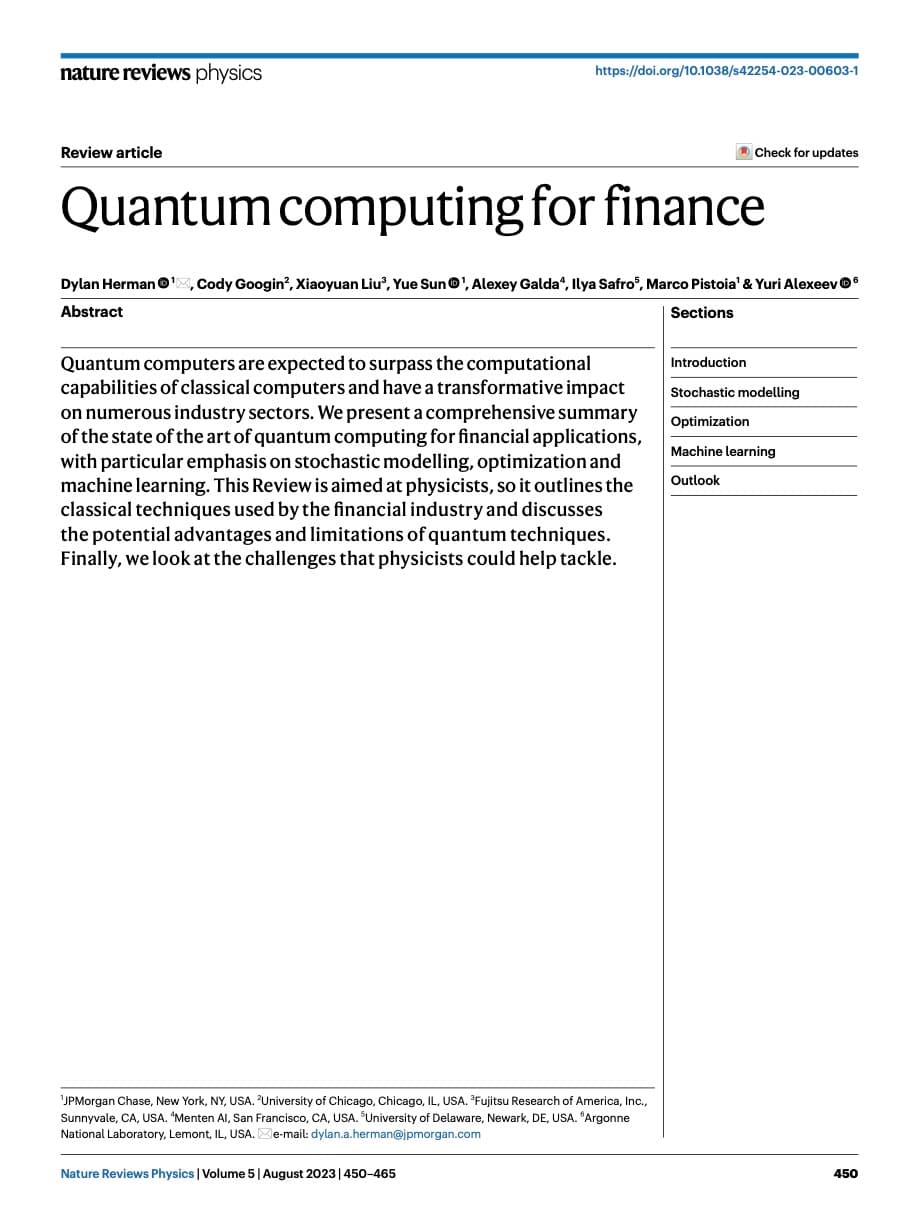
Nature Reviews Physics: Quantum Computing for Finance
Peer-reviewed review of quantum computing for financial applications (Herman et al., 2023): stochastic modelling, optimization, and machine learning — where quadratic speedups are possible, and what still stands between theory and practical advantage.
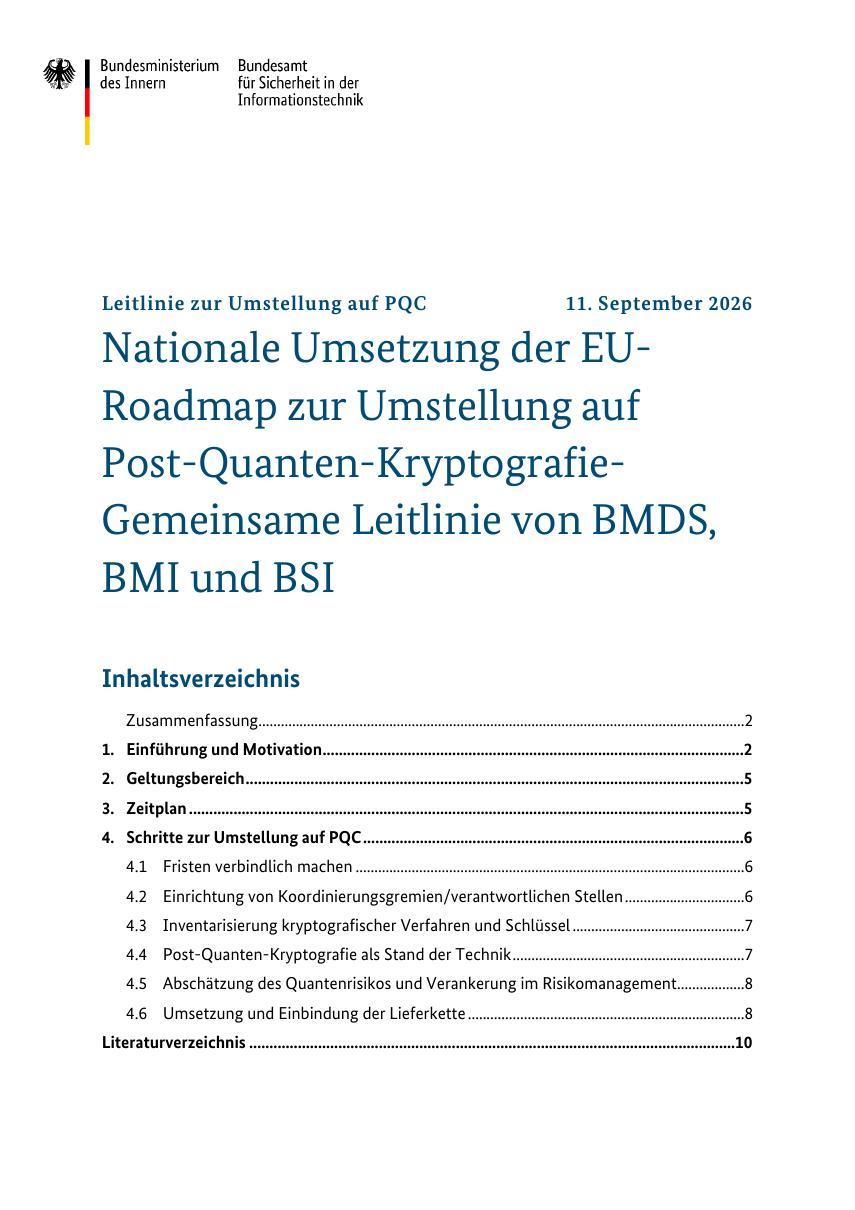
BSI: Germany's PQC Transition Guideline 2026
Joint guideline by the German interior and digital ministries and the BSI (September 2026) implementing the EU Coordinated Implementation Roadmap: planning and cryptographic inventory complete by end 2026, high-risk systems quantum-safe by 2030, transition largely complete by 2035 — six steps from governance to supply chain. In German.
WEF: Quantum Security for the Financial Sector
World Economic Forum guidance on quantum-safe security for financial institutions, informing global regulatory approaches to the post-quantum transition.
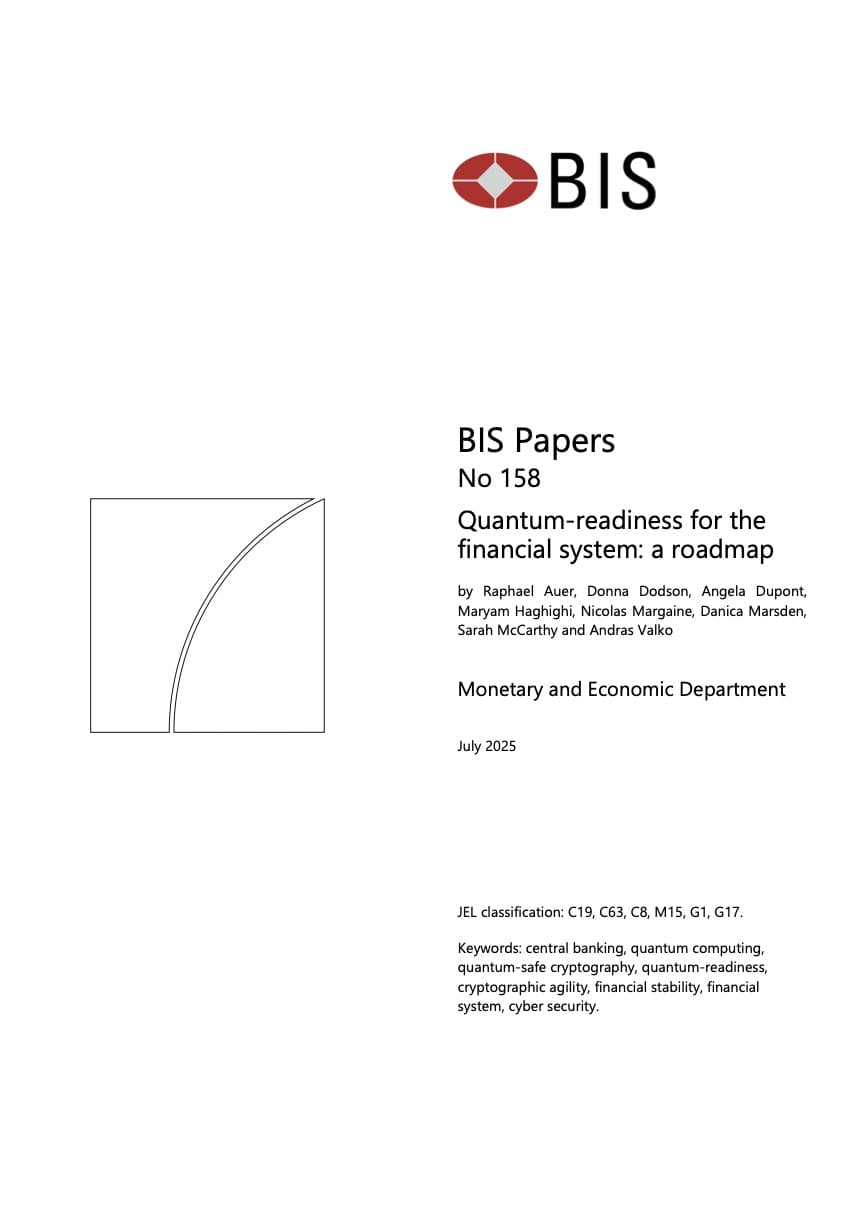
BIS: Quantum-Readiness for the Financial System
BIS Papers No 158 (Auer et al.): a roadmap to support the financial system's transition to quantum-safe cryptography — why the migration starts today, with cryptographic inventory and agility as the critical foundations.
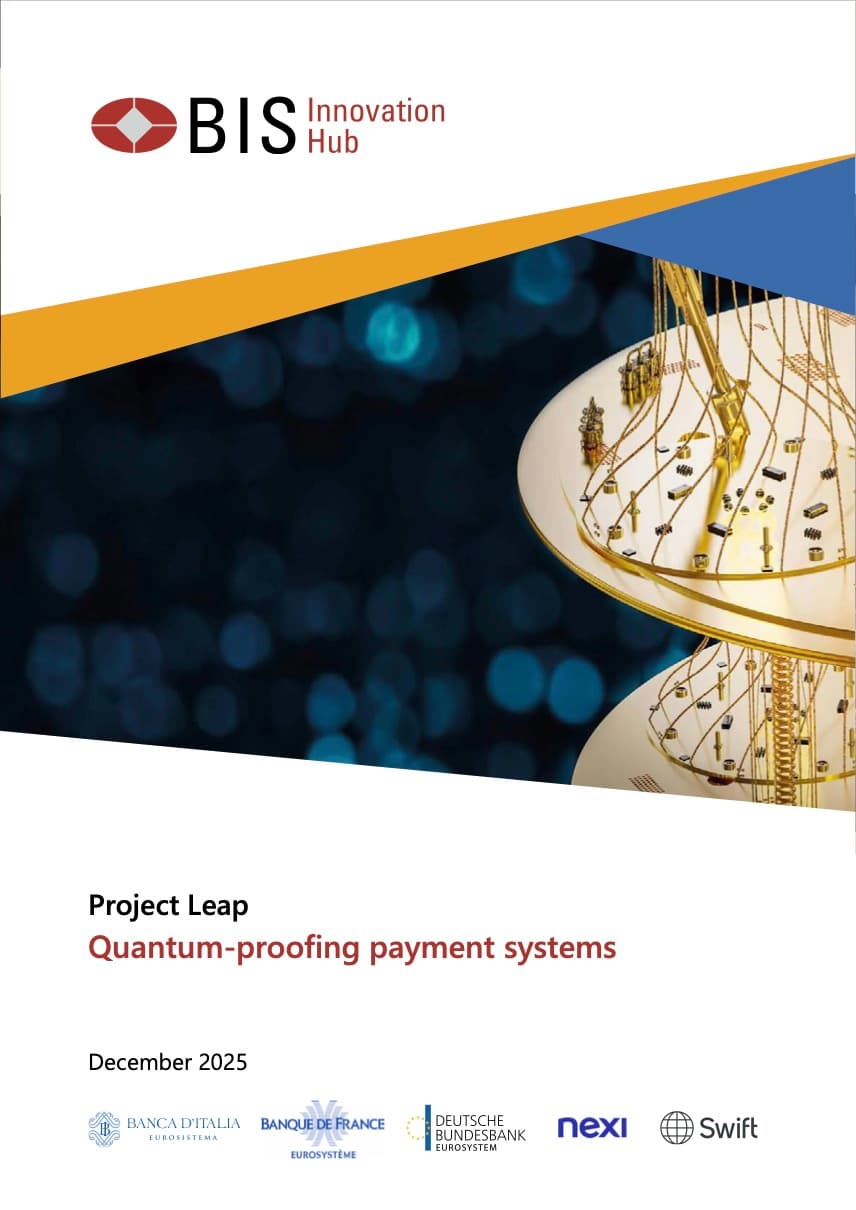
BIS Project Leap: Quantum-Proofing Payment Systems
Project Leap phase 2 (BIS Innovation Hub with Bundesbank, Banque de France, and Banca d'Italia, December 2025): post-quantum cryptography tested in live-like TARGET2 payment flows — findings on performance, interoperability, and cryptographic agility.
MIT Quantum Index Report 2025
MIT’s Quantum Index Report 2025 provides a comprehensive overview of global research, technology roadmaps, and investment trends in quantum computing.
McKinsey Quantum Technology Monitor 2025
McKinsey’s 2025 Quantum Monitor analyzes corporate adoption, use cases, and strategic challenges for industries preparing for quantum advantage.
Global Quantum Intelligence Report 2025
Global Quantum Intelligence (GQI) report, highlighting major developments in quantum technology and industry trends.
Quantum Computing Report – Education
The education section of Quantum Computing Report, providing curated resources, tutorials, and references for learning quantum computing.
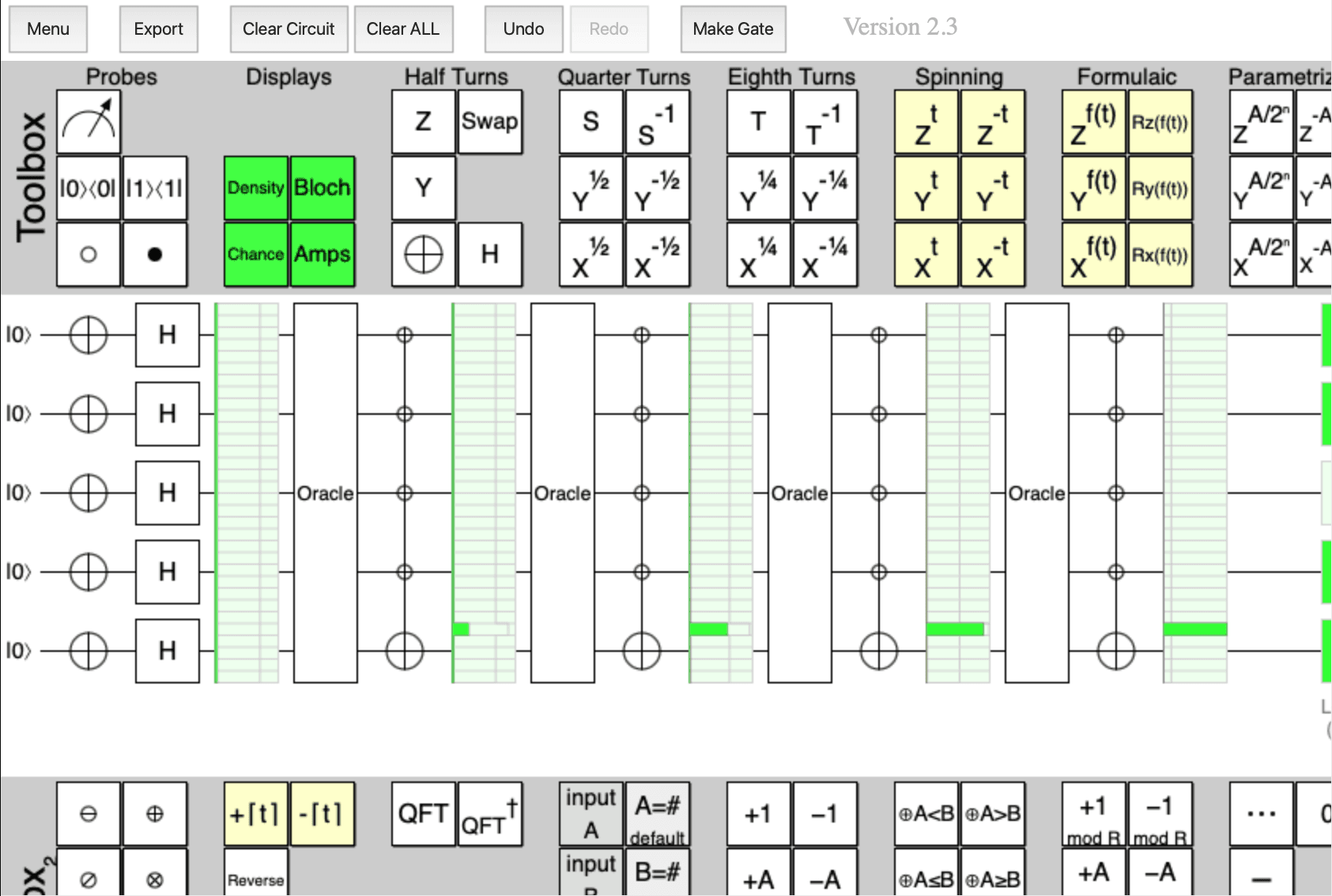
Quirk
An interactive drag-and-drop quantum circuit simulator in the browser. Great for quick visual experimentation with gates and circuits.
Cirq
Google’s open-source framework for programming quantum circuits in Python, with a focus on NISQ-era devices.
Cirq Tutorial
Hands-on tutorial for learning Cirq, including building circuits, running simulations, and exploring quantum algorithms.
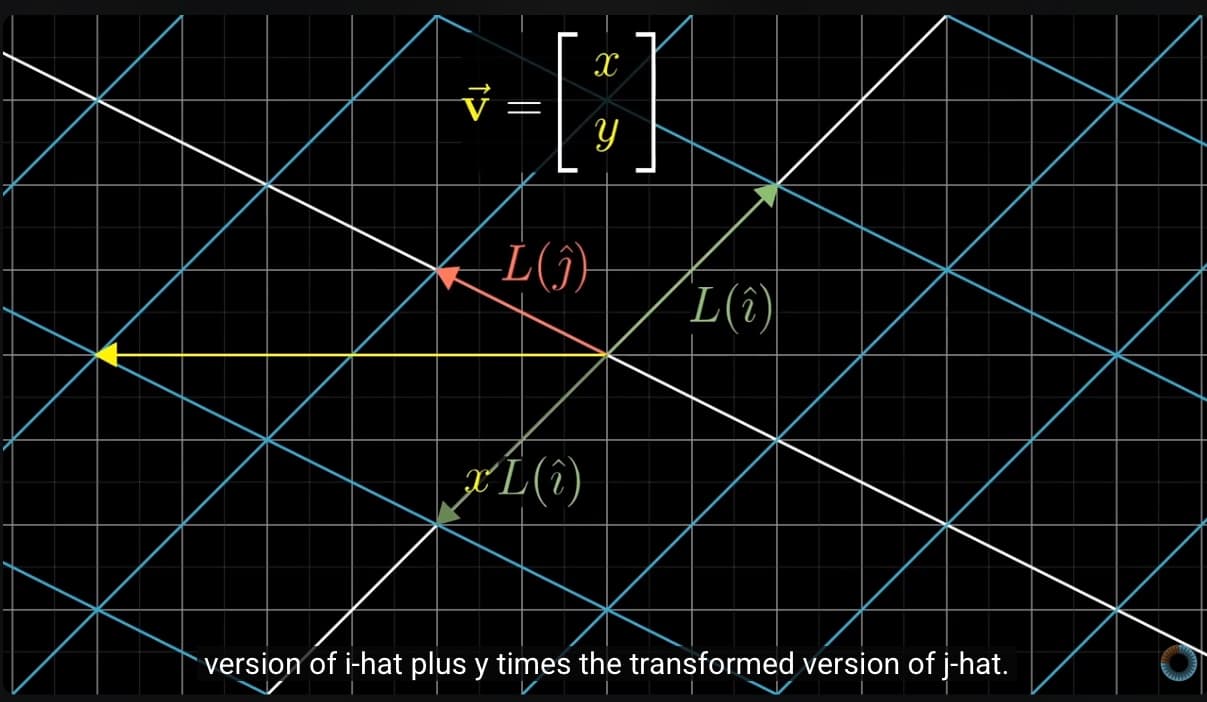
Matrix Multiplication for Beginners
A simple video introduction to matrix multiplication, one of the key mathematical tools behind quantum gates and circuits.
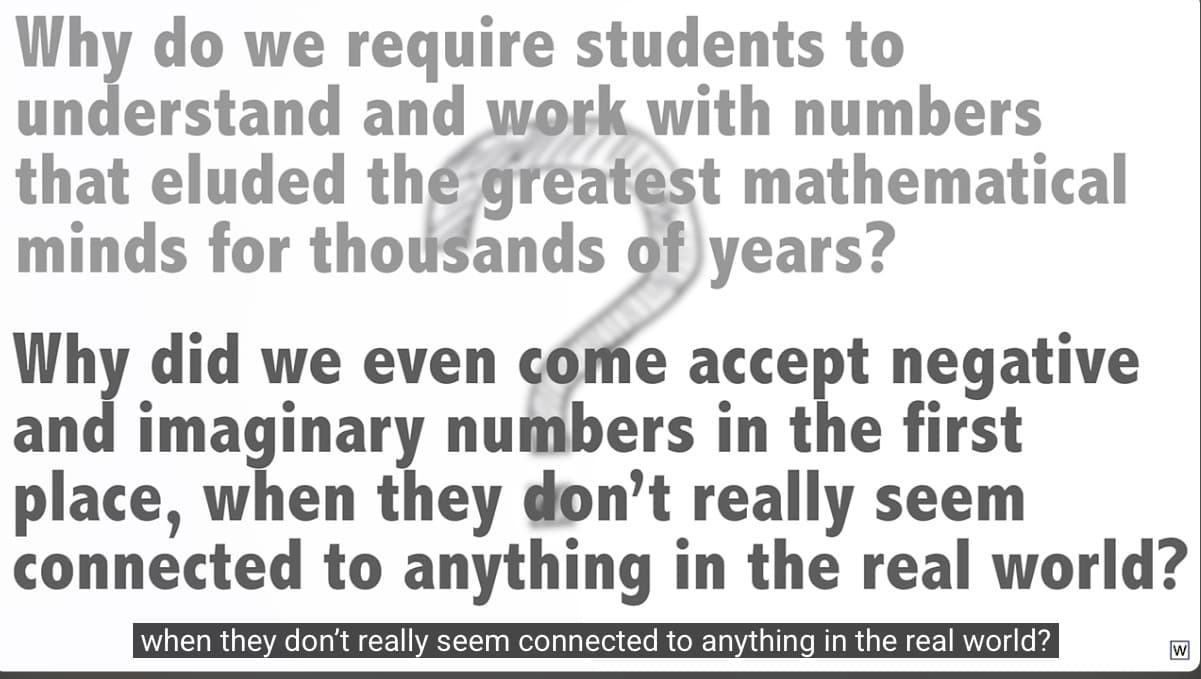
Complex Numbers for Beginners
Video explainer of complex numbers, important to understand phases, rotations and quantum interference.
Qiskit Tutorials
Official IBM Qiskit tutorials covering circuits, algorithms, simulators, and real devices. A hands-on way to learn quantum programming step by step.
Qiskit Community Tutorials
A GitHub repository of community-contributed notebooks exploring Qiskit for algorithms, games, finance, and machine learning.